

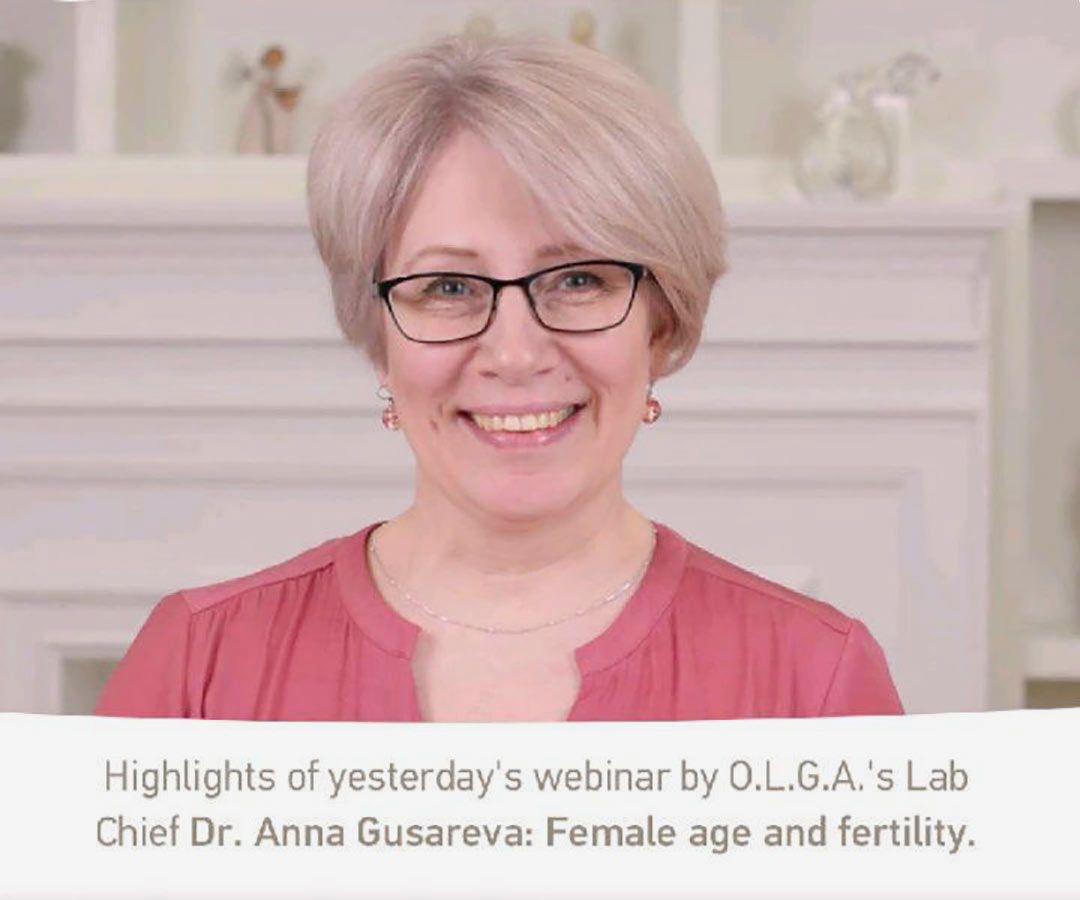
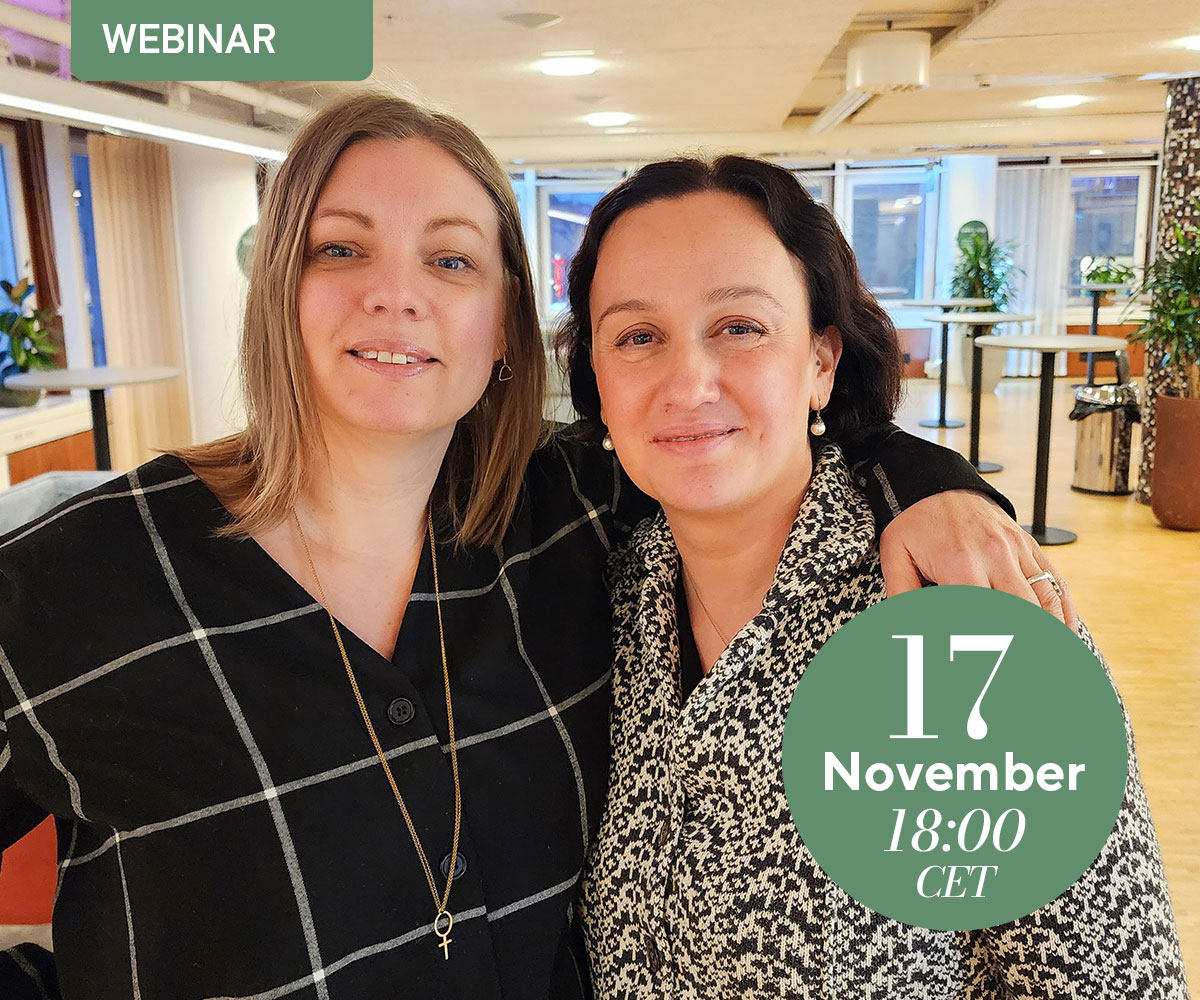
Keep googling about eggs, sperms and embryos? View the highlights of yesterday's webinar by Dr. Anna Gusareva, O.L.G.A.'s Lab Chief!
Find out more about:
- Female age and fertility
- What happens with sperm as men age?
- Natural selection of embryos
Interested even more? Request the link to the full recording of the webinar by contacting us at info@olgafertilityclinic.com
Anna Gusareva:
"So, what is happening with age in women's ovaries? It is so unfair! And sexist if you like. While men continue to produce brand new sperm cells throughout their lives till late age, women have to deal with what they already got when they were inside their mother’s uterus. And work against the clock which is ticking very fast. Egg quantity (ovarian reserve) diminishes very quickly since puberty; pace of depletion increases dramatically from the age of 35.⠀
But not only the quantity of the eggs diminishes very quickly, more importantly quality. Each egg cell sitting in the ovary for 40 years loses its energy potential and ability to correct genetic errors. So more than 80% of the eggs at the age of 43 are chromosomally abnormal. And unfortunately, we cannot discern good ones from bad ones just for how they look."
⠀
"I think you’re already familiar with that graph – it shows how maternal age affects live birth rates per embryo transfer. Number of cases in this study is huge, so we can rely on it completely. Main reason for this dramatic effect is chromosomal errors in the eggs which can lead to abnormal embryos, failed implantation and early pregnancy losses. Luckily, woman’s uterus is not ageing in the same pace – so if we use embryos created with donor eggs, success rates remain steady for all age groups of patients.""If we look at semen parameters as men age, they will decline but not significantly. But what is significant - integrity of sperm DNA deteriorates with age due to a lot of factors – medical conditions, bad habits, etc. Sperm cell is not capable of repairing its DNA, but an egg's cytoplasm can. The younger the egg is the more potential for DNA repair it possesses. So, if a couple of advanced age uses donor eggs they have better chances of getting pregnant and having a healthy child, not only because younger eggs are more likely to be genetically normal, but also because of their ability to repair damaged sperm DNA."
"Along the way of fertilization and embryo development natural selection takes place both in vivo and in vitro. So let’s count 1 hypothetical IVF cycle together. During egg retrieval from a typical patient we can take around 10 oocytes on average. What part of them will potentially become blastocysts usable for transfer or freezing? And how many we will lose along the way?
⠀
First of all, as I mentioned previously, 5-10% of the eggs will be not suitable for fertilization (immature or bad morphology)
⠀
20% of the eggs will not be fertilized properly
⠀
50% of fertilized eggs will not make it to the blastocyst stage (stop the development at various stages) ⠀
Is it a good or a bad thing? Definitely good!
⠀
It is nature's way of discarding non-viable eggs and embryos, with serious mistakes in the genetic code. It’s a safety net!"












Comments are closed.