1. Schritt: FSH stimuliert in der ersten Zyklushälfte das Wachstum eines winzigen Eibläschens (Follikel) im Eierstock. Dieses Eibläschen enthält eine Eizelle (Oozyte). Die Follikelzellen produzieren weibliche Sexualhormone (Östrogene), die ihrerseits wiederum das Wachstum der Gebärmutterschleimhaut (Endometrium) anregen (Abb. 1).
2. Schritt: Sobald eine Eizelle fertig herangereift ist, löst ein rascher Anstieg des LH den Eisprung (Ovulation) aus. Normalerweise geschieht dies um den 14.-16. Zyklustag. Das Eibläschen platzt auf und die befruchtungsfähige Eizelle wandert in die Eileiter. Die aus diesem Vorgang entstehende Form des Follikels wird Corpus luteum (Gelbkörper) genannt. Der Gelbkörper produziert das Hormon Progesteron, welches die Gebärmutter auf eine mögliche Empfängnis vorbereitet.
3. Schritt: Die Eizelle bewegt sich durch die Eileiter hindurch in Richtung Gebärmutter und wird noch im Eileiter befruchtet. Es schafft immer nur eine einzige Samenzelle (Spermium), die Hülle der Eizelle zu durchdringen.

Abb. 1. Bef\ginn einer Schwangerschaft.
Das genetische Material von Mutter und Vater verschmelzen miteinander und ein neues Leben entsteht. In diesem Moment wird ein so genannter Zygote geschaffen und die Entwicklung des Embryos beginnt.
4. Schritt: Die ersten Zellteilungen finden statt, während der Embryo sich in Richtung Gebärmutter bewegt. Unmittelbar bevor er die Gebärmutter erreicht, schlüpft der Embryo aus der Eihülle.
5. Schritt: Am 6.-8. Tag nach der Befruchtung erreicht der Embryo die Gebärmutter und nistet sich dort in der nährstoffreichen Schleimhaut ein; dieser Vorgang wird Implantation, bzw. Einnistung genannt.
Sowohl der Embryo als auch später die Plazenta, (Mutterkuchen) produzieren Hormone, die gleich zu Beginn schwangerschaftserhaltend wirken. Kommt es zu keiner Befruchtung oder schafft es der Embryo nicht, die Gebärmutter zu erreichen, so wird die Gebärmutterschleimhaut mit der Regelblutung wieder abgestoßen und der Zyklus beginnt von neuem.
Auch wenn die Hormone gut aufeinander abgestimmt wirksam werden, ist eine erfolgreiche Empfängnis kein einfacher Vorgang. Bei jungen gesunden Paaren liegt die Empfängnisrate pro Monatszyklus bei ungeschütztem Geschlechtsverkehr bei unter 20 Prozent. Es gibt verschiedene Ursachen für so eine niedrige Rate, so können z.B. die Reifung der Eizelle oder das Zusammenspiel der Hormone gestört sein. Die Befruchtung ist möglicherweise nicht erfolgreich verlaufen, weil es einfach nicht der richtige Zeitpunkt war oder die Zellteilung des Embryos war fehlerhaft, so dass er sich nicht in der Gebärmutter einnisten konnte. Daher sprechen wir erst von Unfruchtbarkeit (Infertilität), wenn es trotz ungeschützten Geschlechtsverkehrs nicht innerhalb von 12 Monaten oder darüber hinaus zu einer Schwangerschaft kommt.

Because of multiple reasons of miscarriages and IVF failures we split IVF process in parts to solve each of them and achieve live birth

By Dr. Olga Zaytseff
The founder of O.L.G.A. Clinic
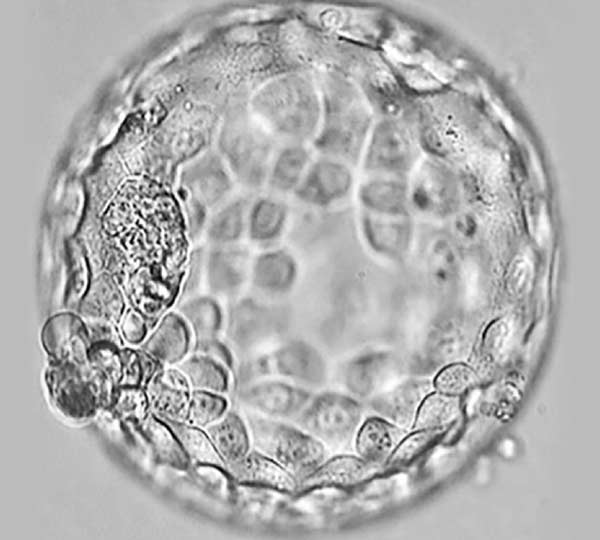
How to identify challenges, grow competent eggs, create viable embryos and screen them
By Dr. Olga Zaytseff
The founder of O.L.G.A. Clinic
This webinar about optimizing uterus by hysteroscopy, boosting uterine lining by specific medication, precise timing of embryo transfer with the help of ERA test, hormonal and immune treatment
By Dr. Elena Lapina
Head doctor and co-founder of O.L.G.A. Clinic
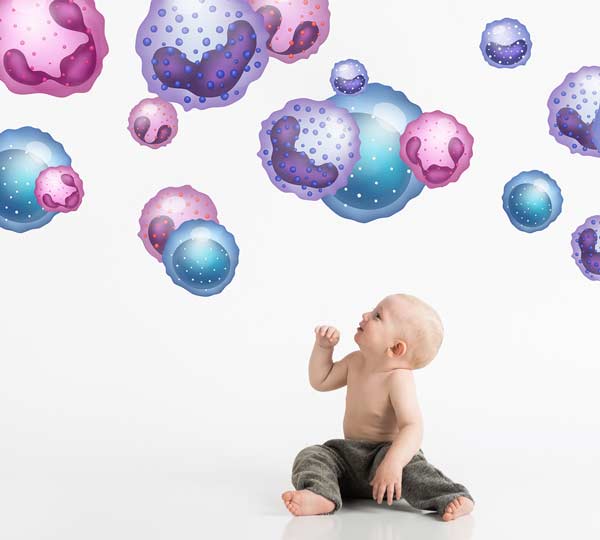
How to identify and solve them to achieve successful pregnancy and live birth
By Dr. Elena Lapina
Head doctor and co-founder of O.L.G.A. Clinic
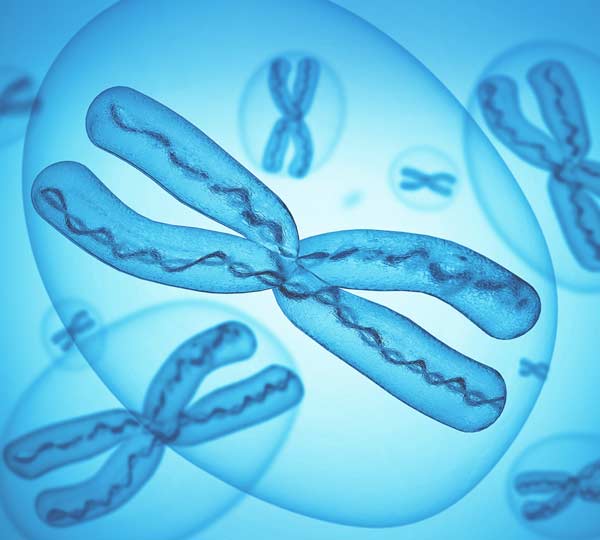
Hot and controversial topics explained from the very beginning — basic genetics, indications, embryo biopsy and freezing, challenges, results and new frontiers
By Dr. Anna Gusareva
Embryo Lab Chief at O.L.G.A. Clinic
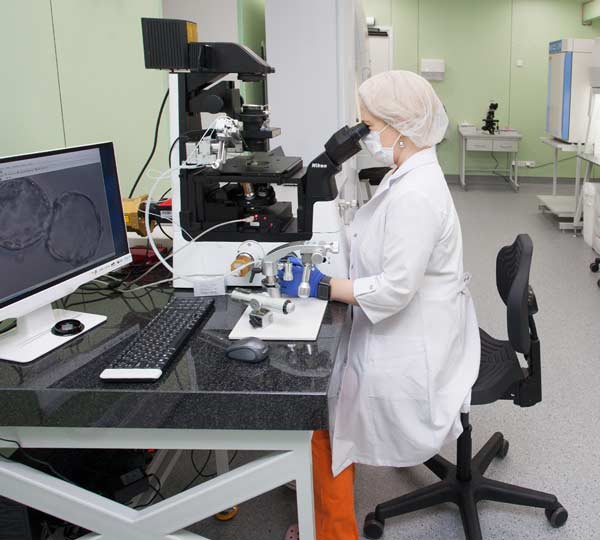
How embryos are created and grow in the lab? How embryologists make sure that embryos feel at home in the lab? How to choose the best embryo that will result in live birth?
By Dr. Anna Gusareva
Embryo Lab Chief at O.L.G.A. Clinic


How to make decision and process comfortable and friendly for you, and your result — efficient.
By Dr. Olga Zaytseff
The founder of O.L.G.A. Clinic
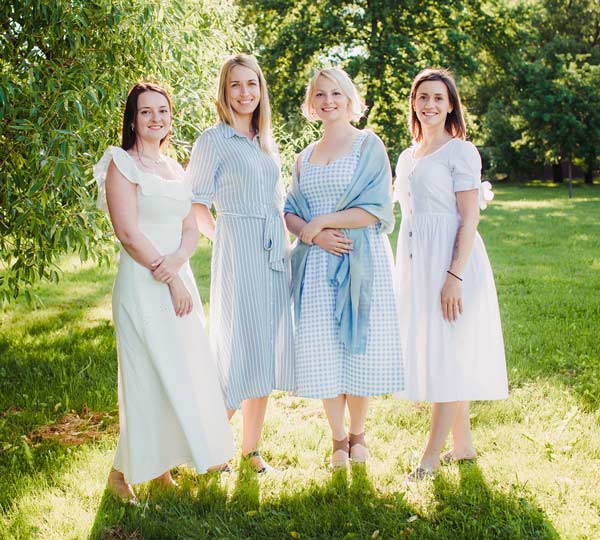
Valeria shares different aspects of her work and show even examples of excellent egg donor choices based on physical characteristics and non-physical parameters, such as education, personal motivation, occupation...
By Valeria Sergeeva
The leading egg donation expert at O.L.G.A. Clinic
Egg donation… Embryo adoption…
How normal is the whole process? Who are the donors and what I should/can know about them? Where is the border of my influence?

By Valeria Sergeeva
The leading egg donation expert at O.L.G.A. Clinic
We prepared a very special video where egg donors personally tell about themselves, their principles of life, their reasons to donate and the philosophy of this huge project called "Egg Donation" at O.L.G.A Fertility Clinic
By Valeria Sergeeva
The leading egg donation expert at O.L.G.A. Clinic

By Tatiana Varzaeva
Perinatal psychologist at O.L.G.A. Clinic