In our clinic diagnostics start with a detailed conversation. Such a conversation is vital for getting an accurate account of the previous infertility situation. The doctor determines the most efficient and economical treatment procedure for each individual case.
Examination by an obstetrician-gynecologist.
Apparent reproductive system disorders such as myomas, cysts, inflammation of uterine appendages, and uterus and vagina mucous diseases are checked; material samples are taken for laboratory tests.
Ultrasonic supervision.
At the next stage ultrasound equipment is used to help evaluate and identify more accurately the state of reproductive organs. Ultrasound is an accurate, painless, and cost-effective method.
Hormone testing.
A blood test is made on certain days in order to identify the hormone levels in the blood. This is necessary to exclude any oocyte maturation disorders. The testing is made on specified days of the menstrual cycle.
At the beginning of the cycle estrogens, LH, FSH, androgens, prolactin and TTH are tested. If required, estrogens and progesterone can be also tested in the second half of the cycle.
Fallopian tubes patency examination.
Non-invasive (by monitoring) or invasive (operating) methods are used to identify fallopian tube obstruction, if any. Non-invasive methods help to identify and evaluate uterus and fallopian tubes status using X-ray and ultrasound supervision.
Contrast agents are used to provide clear images (Fig. 1).
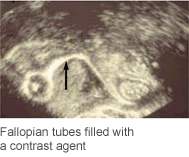
Fig. 1. Fallopian tubes filled with a contrast agent
These procedures can be made on an outpatient basis. Since the overall process is rather painful, general anesthesia is used.
Laparoscopy is considered to be a more accurate method to identify the fallopian tube status. This procedure may help if monitoring with a contrast agent was not sufficiently informative.
Laparoscopy
Laparoscopy is made under narcosis. A small incision is made, and the laparoscope is introduced into the abdominal cavity. The laparoscope is a tube ending with a camera connected to the display. An accurate image of the reproductive organs will be clearly displayed.
During laparoscopy, other procedures can be done, such as extraction of cysts and endometriosis lesions, as well as eliminate commissures. The risk of complications is very low. If the patient can benefit from treatment using laparoscopy, the risks of this procedure are discussed in detail beforehand.
Hysteroscopy
Hysteroscopy is a procedure used to identify myomatous nodes of the uterus as well as mucous modifications. A thin optic probe is inserted through the vagina into the uterus. It helps to evaluate the status of the uterus and the opening of the fallopian tubes. Using hysteroscopy, surgical intervention can be performed, if required.
Genetic examination
Genetic infertility causes are more common in men than in women. A vein blood test is used to help identify genetic disorders. This blood test is conducted in our own genetic laboratory. The genetic examination follows a medical genetic consultation.

Because of multiple reasons of miscarriages and IVF failures we split IVF process in parts to solve each of them and achieve live birth

By Dr. Olga Zaytseff
The founder of O.L.G.A. Clinic
How to identify challenges, grow competent eggs, create viable embryos and screen them
By Dr. Olga Zaytseff
The founder of O.L.G.A. Clinic

This webinar about optimizing uterus by hysteroscopy, boosting uterine lining by specific medication, precise timing of embryo transfer with the help of ERA test, hormonal and immune treatment
By Dr. Elena Lapina
Head doctor and co-founder of O.L.G.A. Clinic
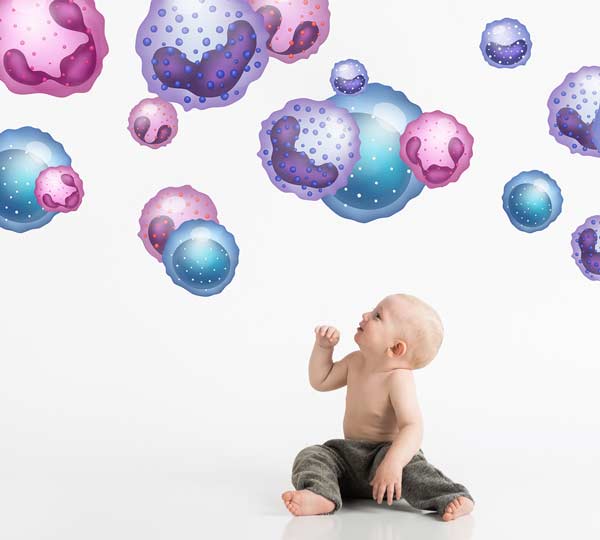
How to identify and solve them to achieve successful pregnancy and live birth
By Dr. Elena Lapina
Head doctor and co-founder of O.L.G.A. Clinic
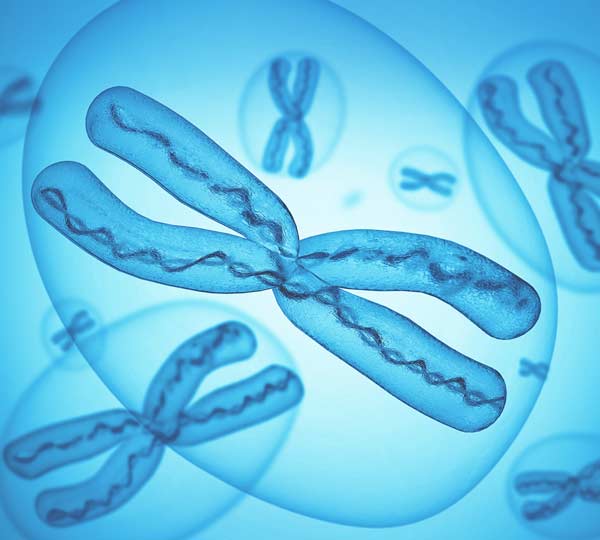
Hot and controversial topics explained from the very beginning — basic genetics, indications, embryo biopsy and freezing, challenges, results and new frontiers

By Dr. Anna Gusareva
Embryo Lab Chief at O.L.G.A. Clinic
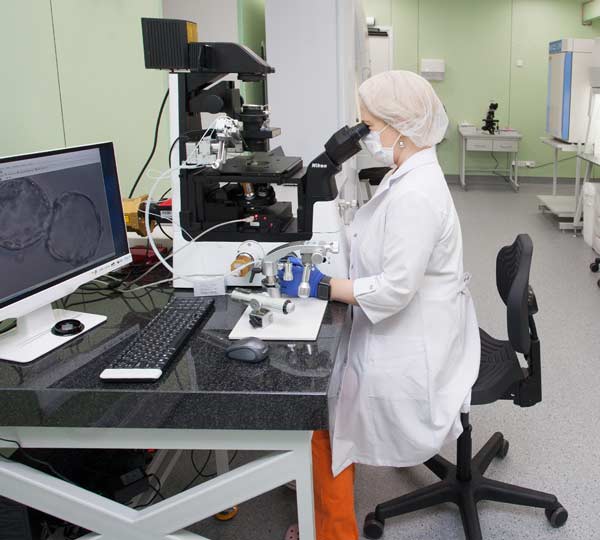
How embryos are created and grow in the lab? How embryologists make sure that embryos feel at home in the lab? How to choose the best embryo that will result in live birth?

By Dr. Anna Gusareva
Embryo Lab Chief at O.L.G.A. Clinic


How to make decision and process comfortable and friendly for you, and your result — efficient.
By Dr. Olga Zaytseff
The founder of O.L.G.A. Clinic
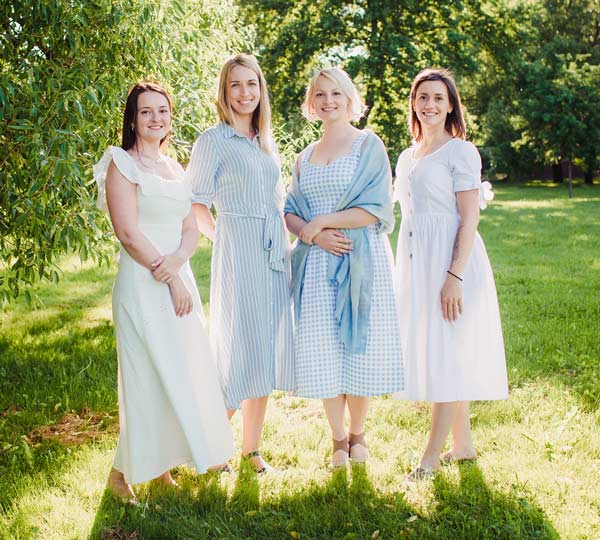
Valeria shares different aspects of her work and show even examples of excellent egg donor choices based on physical characteristics and non-physical parameters, such as education, personal motivation, occupation...

By Valeria Sergeeva
The leading egg donation expert at O.L.G.A. Clinic

Egg donation… Embryo adoption…
How normal is the whole process? Who are the donors and what I should/can know about them? Where is the border of my influence?

By Valeria Sergeeva
The leading egg donation expert at O.L.G.A. Clinic
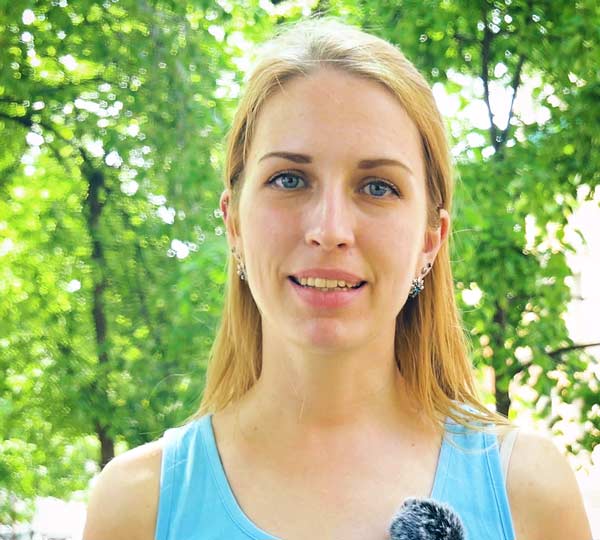
We prepared a very special video where egg donors personally tell about themselves, their principles of life, their reasons to donate and the philosophy of this huge project called "Egg Donation" at O.L.G.A Fertility Clinic
By Valeria Sergeeva
The leading egg donation expert at O.L.G.A. Clinic


By Tatiana Varzaeva
Perinatal psychologist at O.L.G.A. Clinic